Feature recognition and MTK Web improvements in Manufacturing Toolkit 2026.5
The new release improves CNC and sheet metal feature recognition and extends MTK Web with a Markup Creating Viewer and a reworked Visual Measurements API.

Sheet metal updates
Improved bend and detailed edge geometry processing
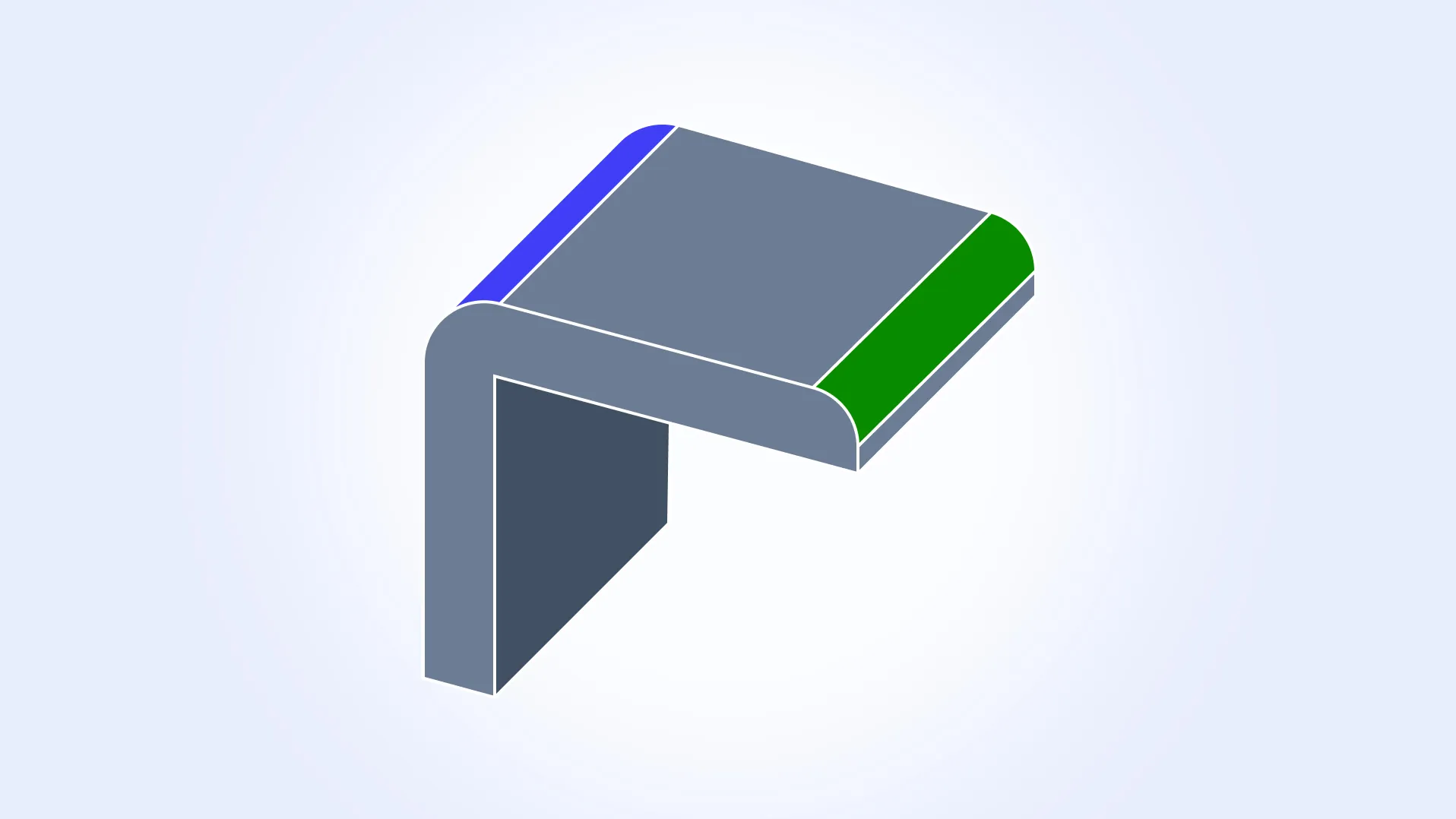
Sheet metal processing now handles detailed edge geometry more reliably. Improved geometry recognition and thickness detection provide better support for parts with fillets, chamfers, beveled cuts, and other features that alter otherwise simple sheet metal geometry. This makes processing more robust across a wider range of real-world sheet metal designs.
Bend recognition has been improved for models with a zero inner bend radius. In these cases, the inner cylindrical surface is absent, leaving a sharp edge while the outer bend surface remains curved. These bends are now recognized more reliably, improving support for a wider range of sheet metal model representations.
Bend length calculation issues have also been fixed in Unfolding. The updated implementation improves bend allowance calculation and K-factor handling, providing more consistent and accurate bend width and length computation across a wider range of sheet metal models.
Unfolding as a dedicated MTK Workbench process
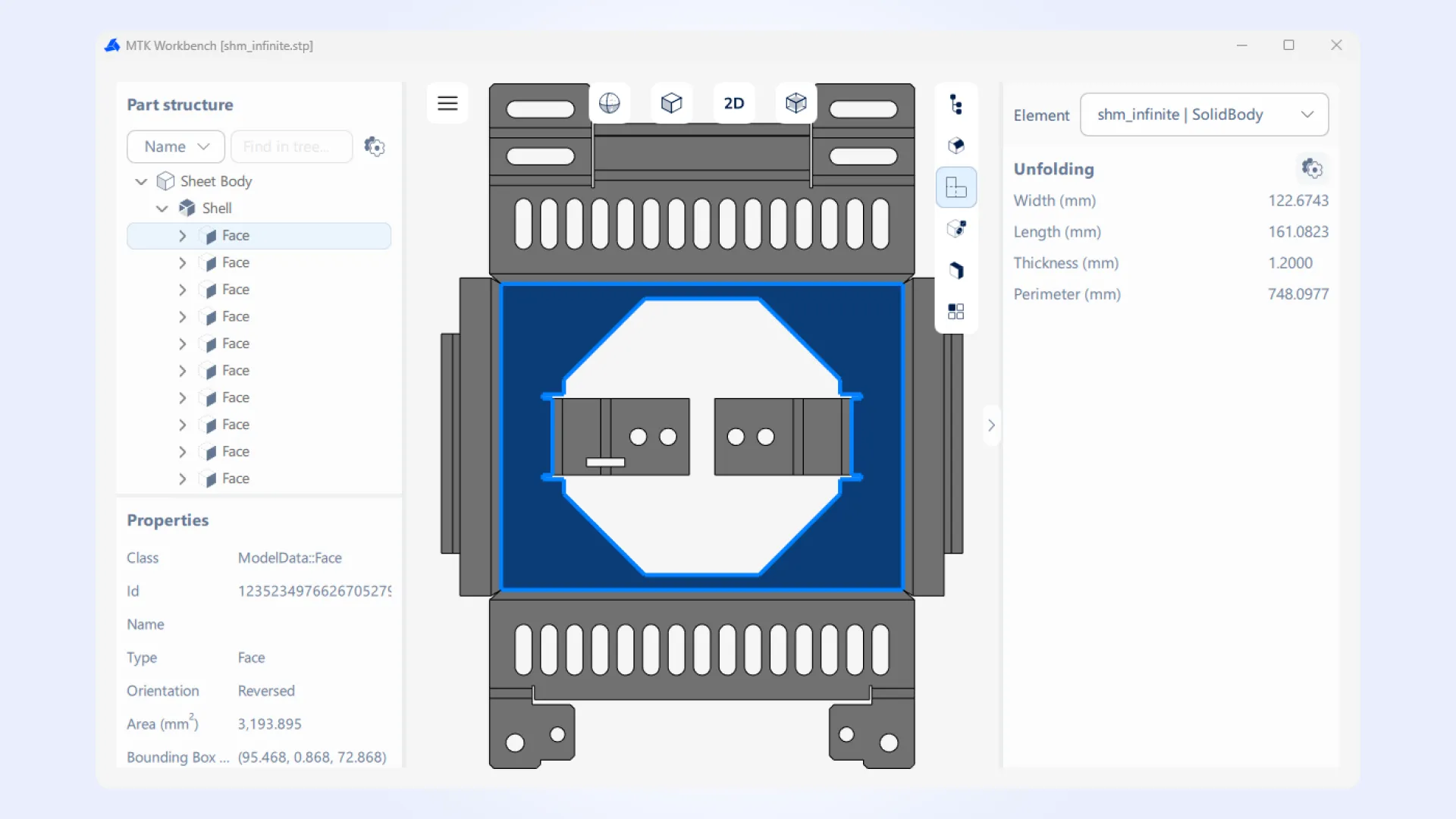
Sheet metal unfolding is now available as an independent process mode in MTK Workbench instead of being part of the feature recognition workflow.
The new Unfolding mode includes a dedicated Flat Pattern structure tree and displays key dimensions, including width, height, thickness, and perimeter.
CNC machining: improved hole depth calculation
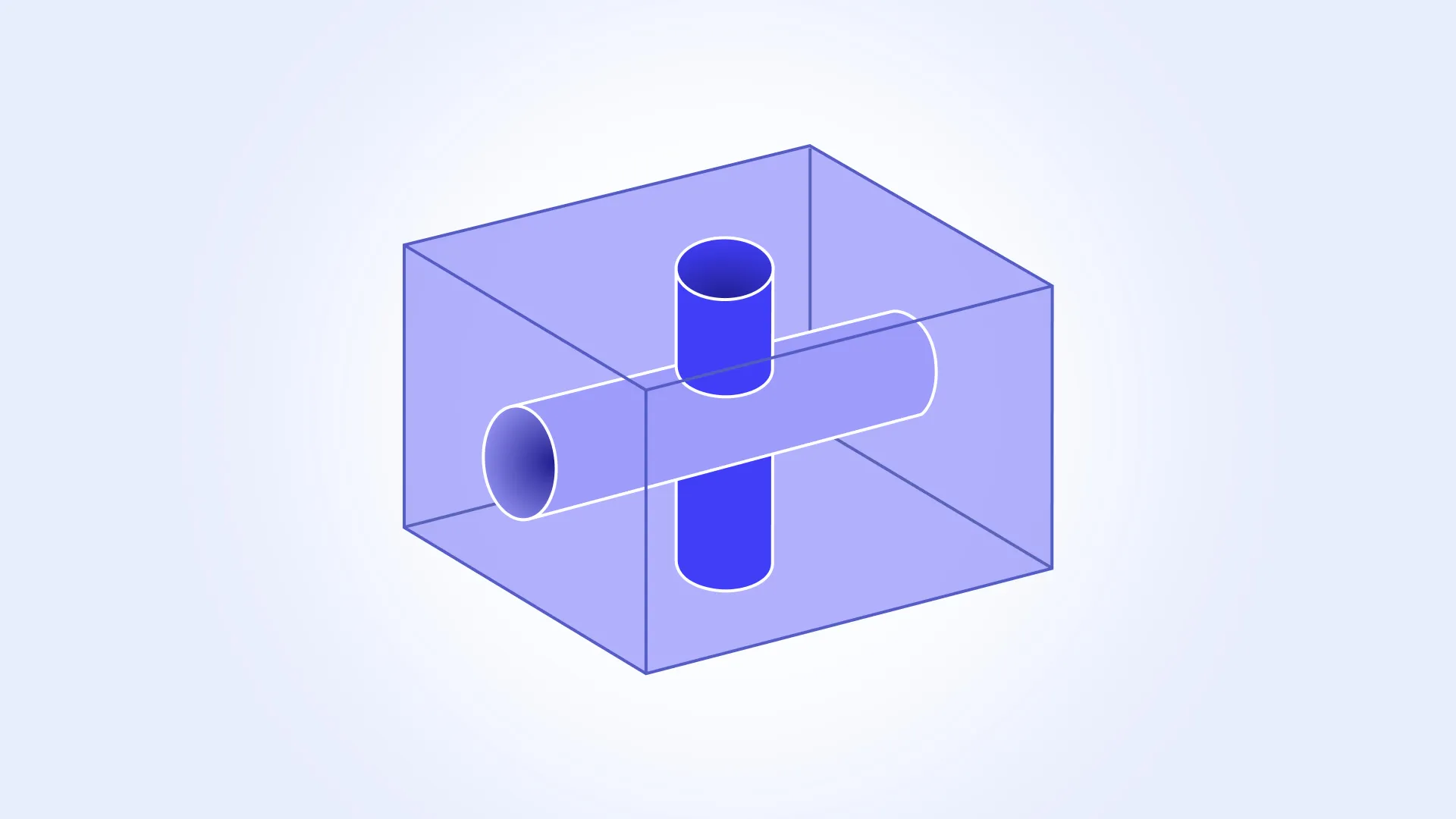
CNC feature recognition now provides more accurate depth values for holes with complex or interrupted geometry.
For stepped holes, depth calculation has been improved for cases where sub-features overlap, such as a countersink combined with a threaded hole whose threaded portion extends into the countersink.
Depth calculation is also more accurate for holes interrupted by intersecting geometry. In these cases, a single hole may be represented by multiple separated coaxial cylindrical faces, which are now handled more reliably when determining the overall hole depth.
The updated calculation uses the overall geometry extent along the hole axis, providing more accurate results for both overlapping stepped-hole sub-features and interrupted holes.
MTK Web updates
Markup Creating Viewer example
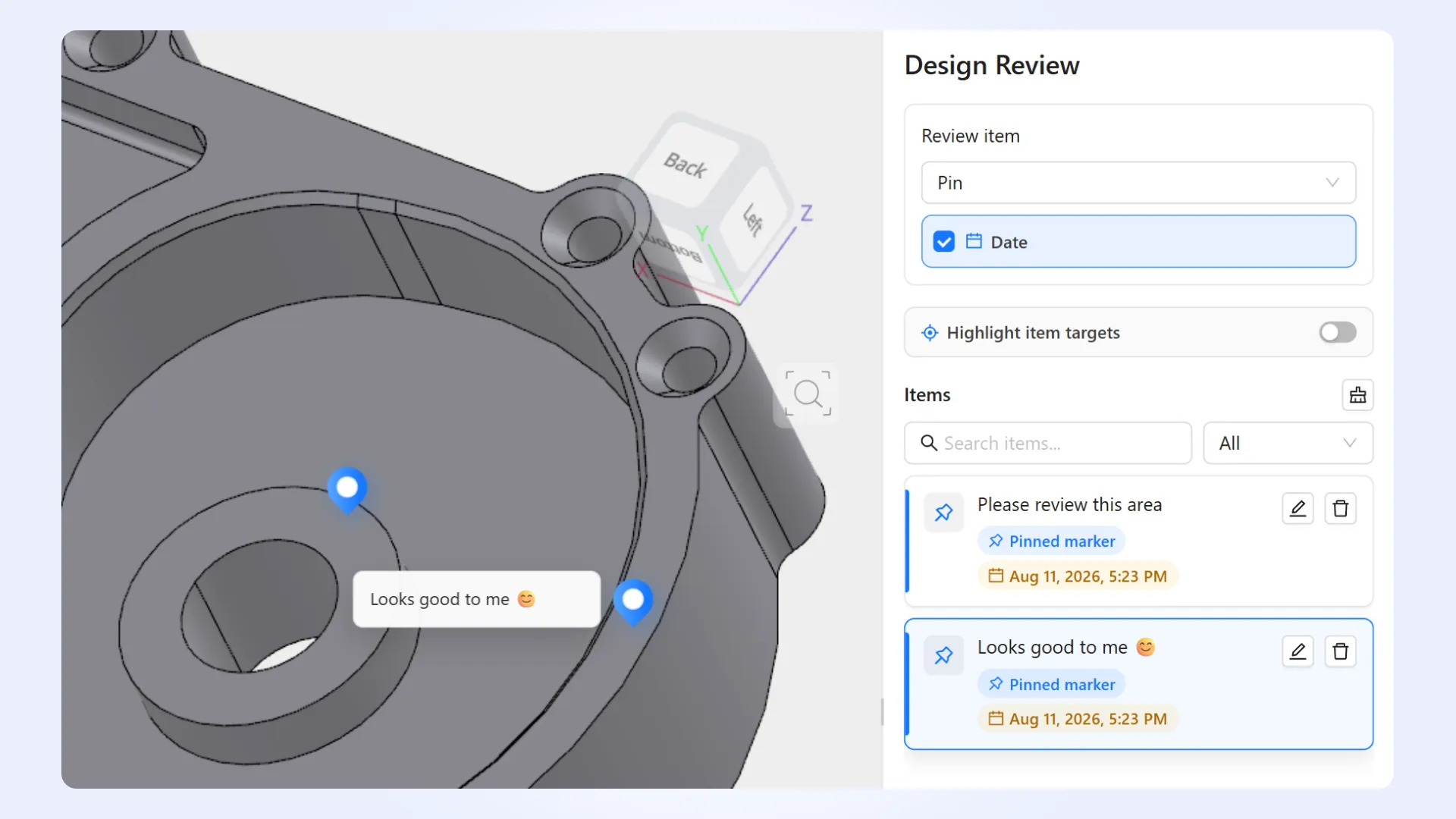
MTK Web examples now include a new Markup Creating Viewer that demonstrates how to build model review, annotation, and collaboration workflows into web applications.
The example supports model upload, review mode switching, object highlighting, and creating, editing, and filtering notes. You can also create pins in the 3D scene, attach them to model entities under the cursor, and add custom text.
Reworked Visual Measurements API
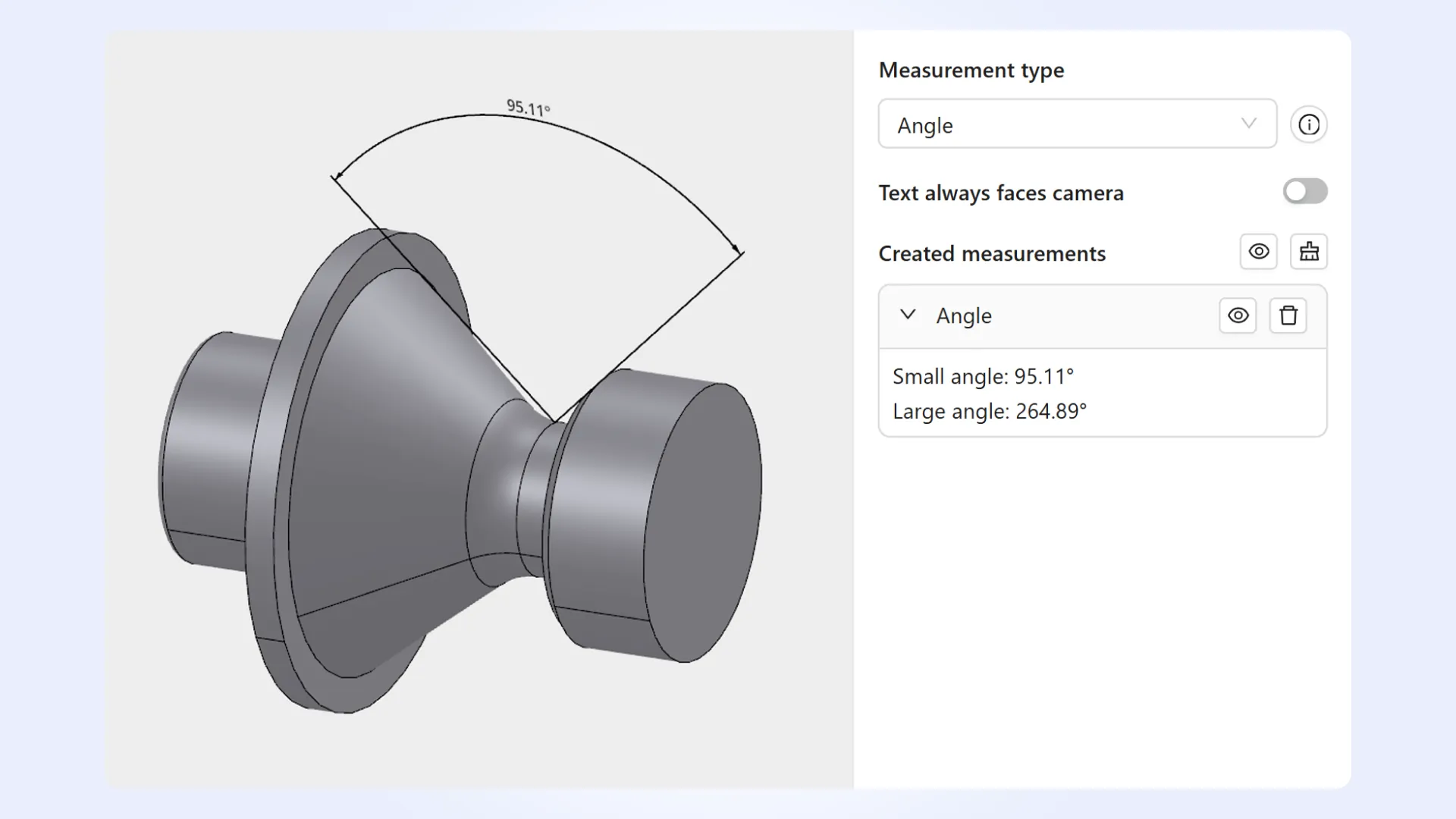
The MTK Web Visual Measurements API has been reworked to make measurement workflows more flexible and extensible.
Measurements are now created from neutral measurement targets that can work with any data model source. Custom measurement types can be declared, registered, and used alongside built-in types without modifying the feature code, while measurement creation and replacement are now fully typed.
All interactive measurement capabilities also have corresponding options and API methods, allowing the same operations to be controlled programmatically.
C# examples migrated to .NET 8
All MTK C# examples have been migrated to .NET 8, replacing the previous .NET Framework 4.6.1 and .NET 7 target configurations.
The CMake-based build workflow has also been removed. C# examples now use only MTK libraries targeting .NET Standard 2.0, simplifying their build configuration.
Visual C++ 14.1 and GCC 7 packages discontinued
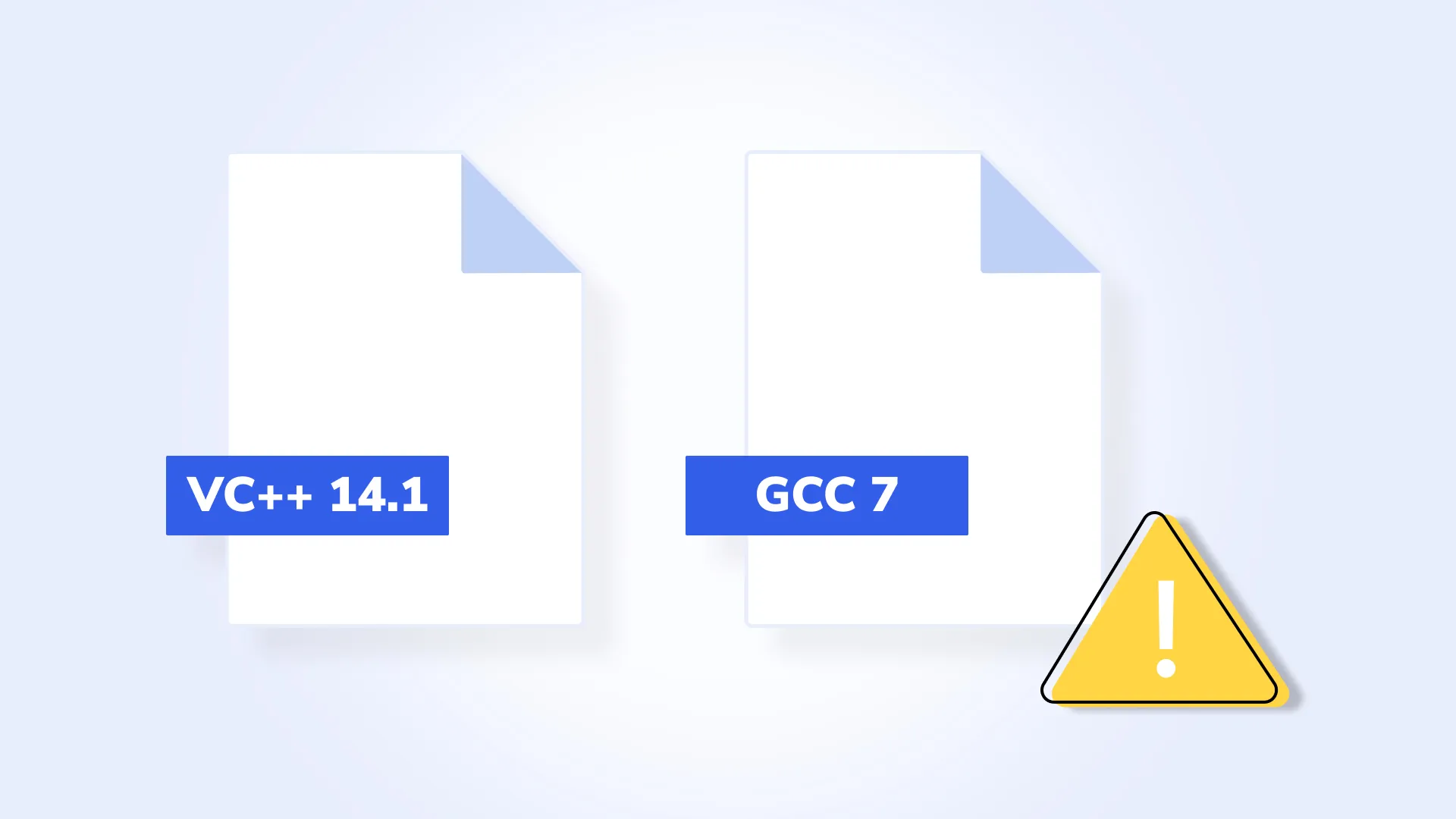
Starting with this release, MTK packages built with Visual C++ 14.1 (vc14.1) and GCC 7 are no longer provided.
If your application currently relies on one of these package configurations, you will need to migrate to a newer supported compiler version when upgrading to this and future MTK releases.
This release also includes several minor improvements across the Manufacturing Toolkit. For the complete list of updates in MTK 2026.5, please refer to the changelog.