New licensing workflow, feature recognition improvements, and Web updates in Manufacturing Toolkit 2026.4
This release introduces an updated MTK licensing workflow with online session-based validation, improves CNC and sheet metal processing, and extends MTK Web with Bounding Volume Hierarchy (BVH), plane section computation, and enhanced visual measurement capabilities.

New licensing workflow

Manufacturing Toolkit now uses a new licensing workflow based on online session validation. Internet connectivity is required when starting an MTK session, and the license format has been updated accordingly.
The licensing API has been unified across all supported languages. LicenseManager is now available from the mtk namespace/package in C++, C#, Java, and Python, providing a consistent licensing experience across platforms. The API has also been extended with new Deactivate() and SetRuntimeKeyLocation() methods, while mtk.LicenseStatistics provides access to runtime license information and license balance statistics.
Migration of existing applications and integrations to the new licensing workflow is recommended, as the previous mechanism is now deprecated and will be removed in future releases.
CNC machining updates
Improved accuracy of threaded feature dimensions
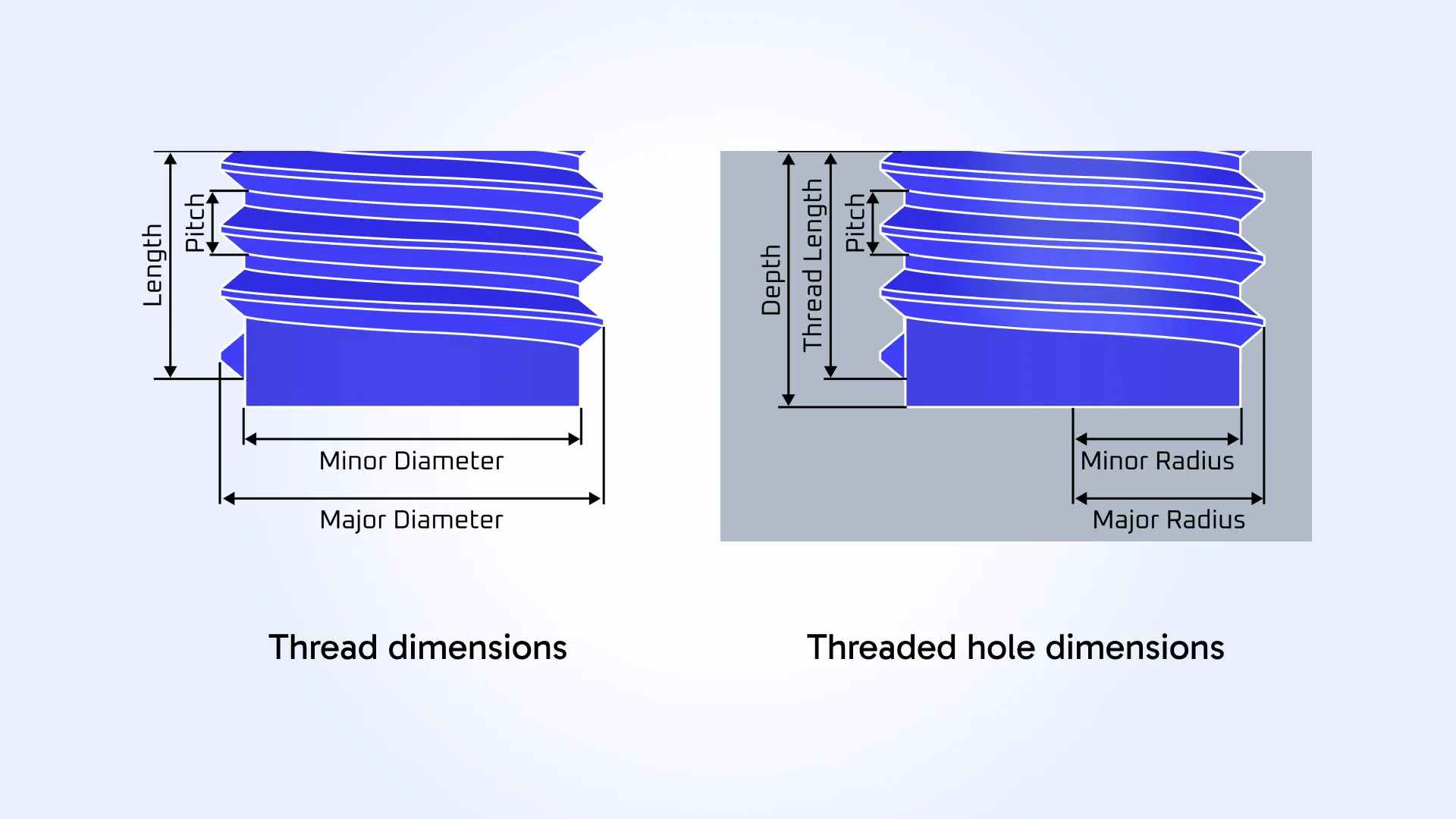
Threaded feature recognition has been improved with more accurate dimension computation for both Machining_Thread and Machining_ThreadedHole features. The updated calculations provide more reliable manufacturing data for recognized external threads and threaded holes.
For thread features, improvements apply to length, pitch, and minor and major diameters. For threaded holes, improvements apply to depth, thread length, pitch, and minor and major diameters.
Improved bore recognition in turning models
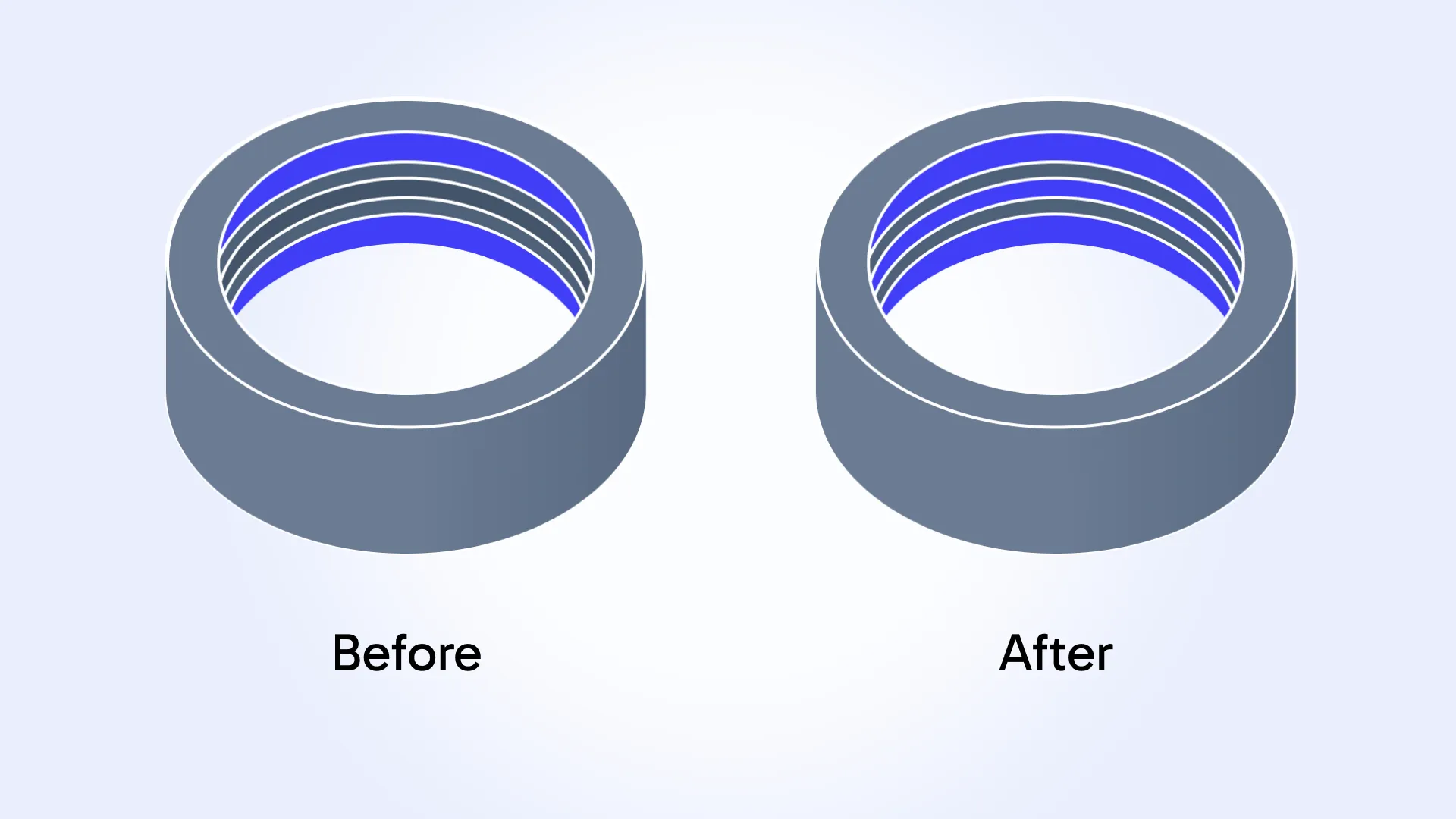
Recognition of bore features in turning models has been improved for cases where a bore consists of multiple separated faces.
Previously, complete bore recognition depended on successful groove recognition: bores separated by grooves were recognized correctly, while bores separated by steps or other non-groove transitions could be recognized only partially.
Improved detection of Small Wall Thickness DFM issues
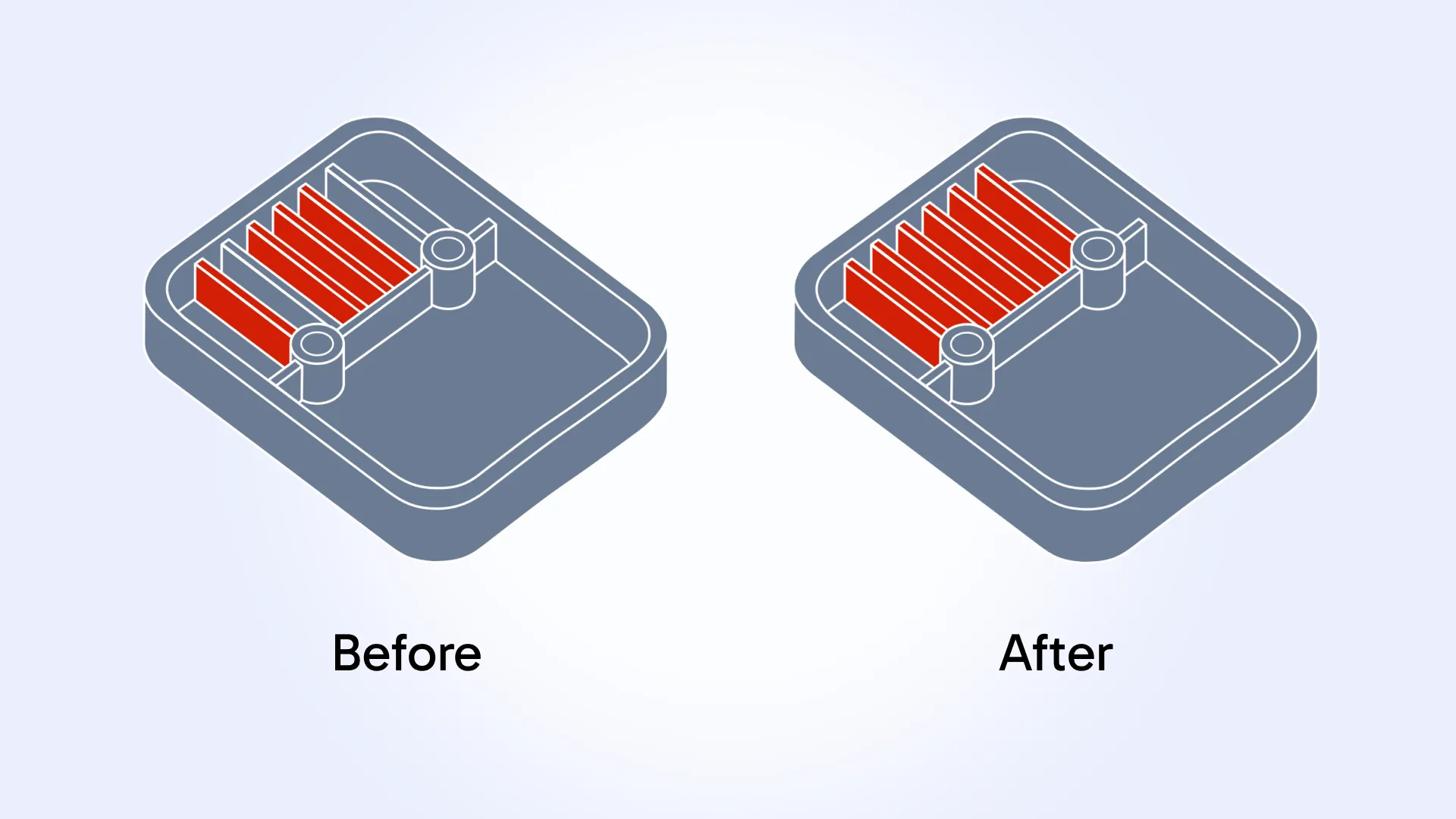
Detection of Small Wall Thickness issues in CNC Machining DFM analysis has been improved. Previously, opposite wall faces could be identified incorrectly in certain cases, leading to incorrect issue detection and inaccurate thickness values.
The updated implementation introduces additional validation of candidate wall faces and improved thickness point processing, resulting in more reliable issue detection and more accurate thickness values reported for identified Small Wall Thickness conditions.
Sheet metal: improved processing for bends
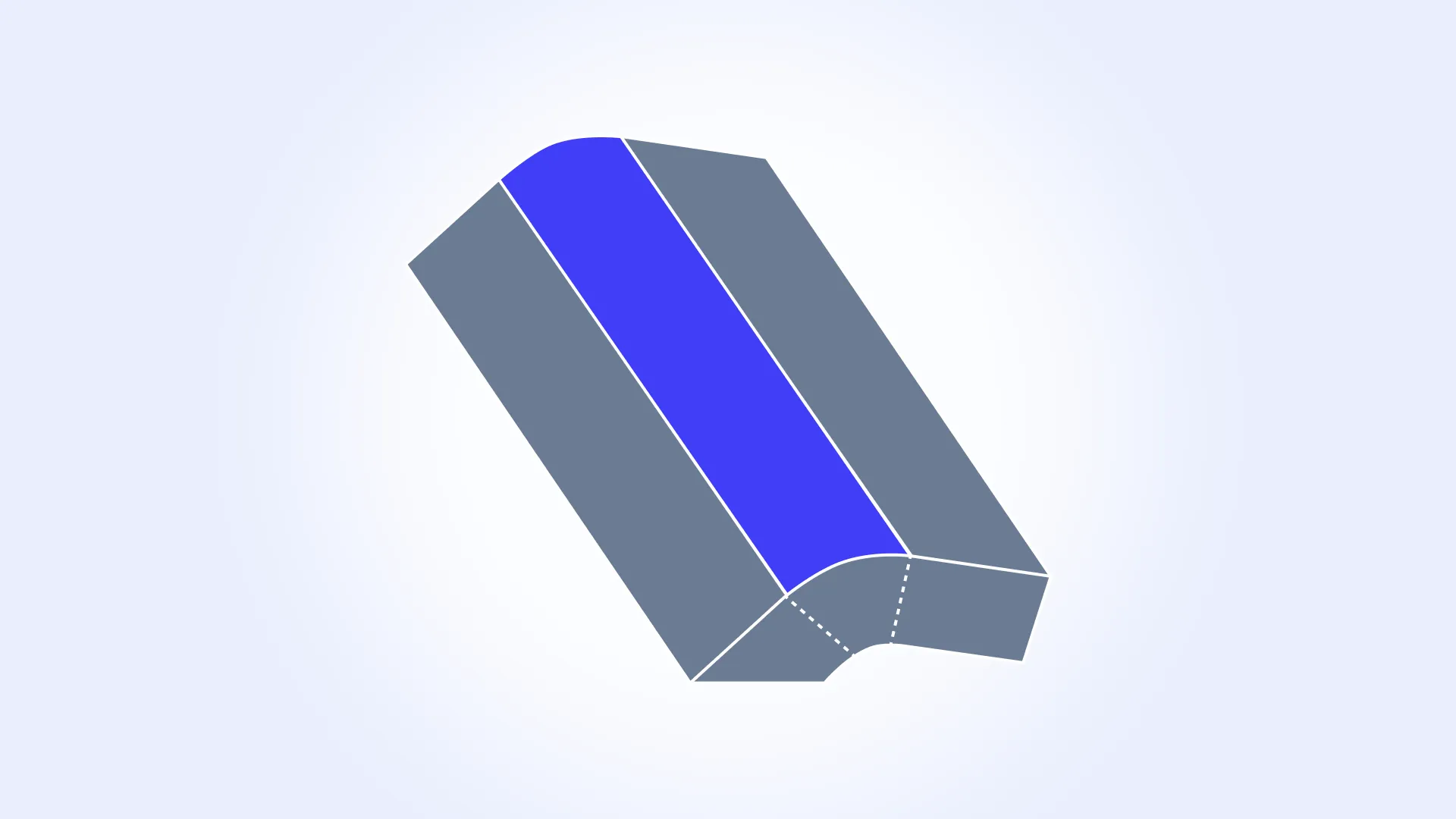
Sheet metal feature recognition has been improved for bends whose surfaces are represented by linear extrusion. Previously, bend dimensions could be calculated inconsistently, leading to different bend lengths for identical bends and inaccurate results when using non-zero K-factor values.
The updated implementation improves bend allowance calculation and K-factor handling, providing more consistent and accurate bend width and length computation across a wider range of sheet metal models.
MTK Web updates
Bounding volume hierarchy support
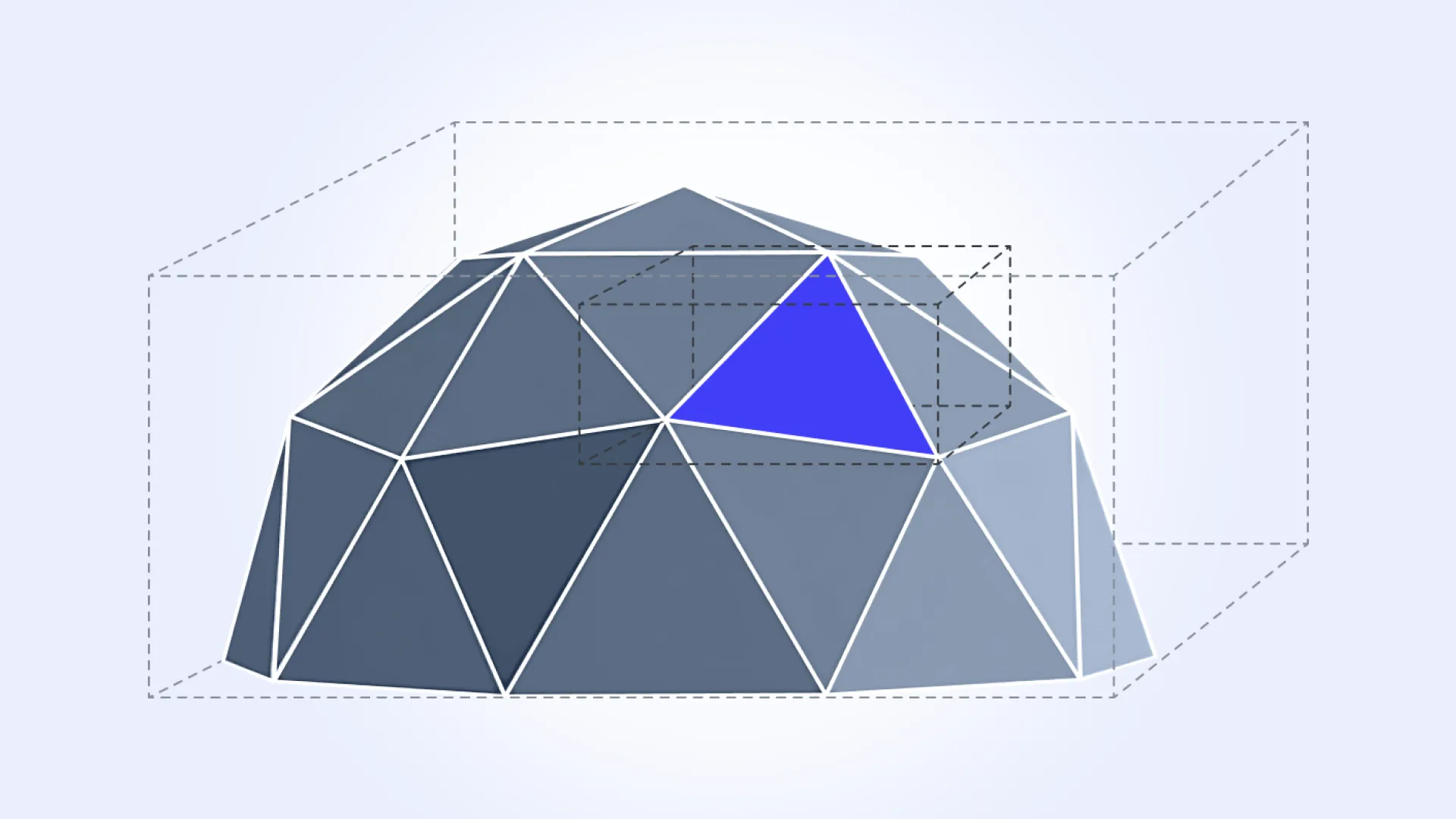
MTK Web has been extended with new BaseBVH and MeshBVH APIs for building, traversing, and deserializing Bounding Volume Hierarchy (BVH) trees over mesh primitives, including triangle, polyline, and point sets. These APIs provide an efficient spatial data structure for accelerating geometric computations and scene interaction operations, including raycasting, object picking, and intersection testing.
Plane section computation
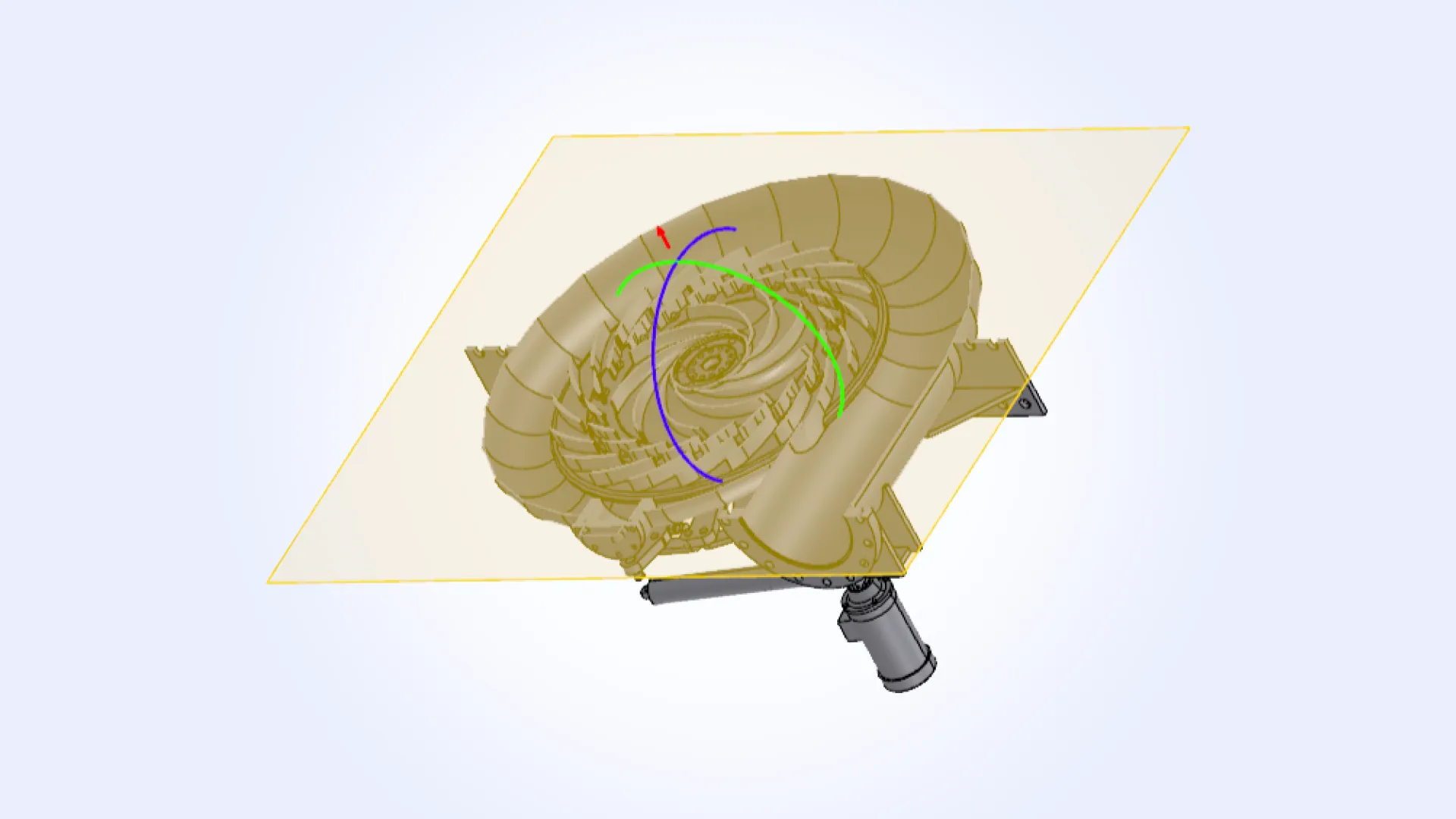
To support interactive sectioning workflows, MTK Web introduces the new SectionPlane and SectionPlaneManager components for creating and managing global or local section planes.
The release also includes a new Section Plane Creating Viewer example that demonstrates creation and management of section planes for selected model nodes or entire models.
Extended visual measurements
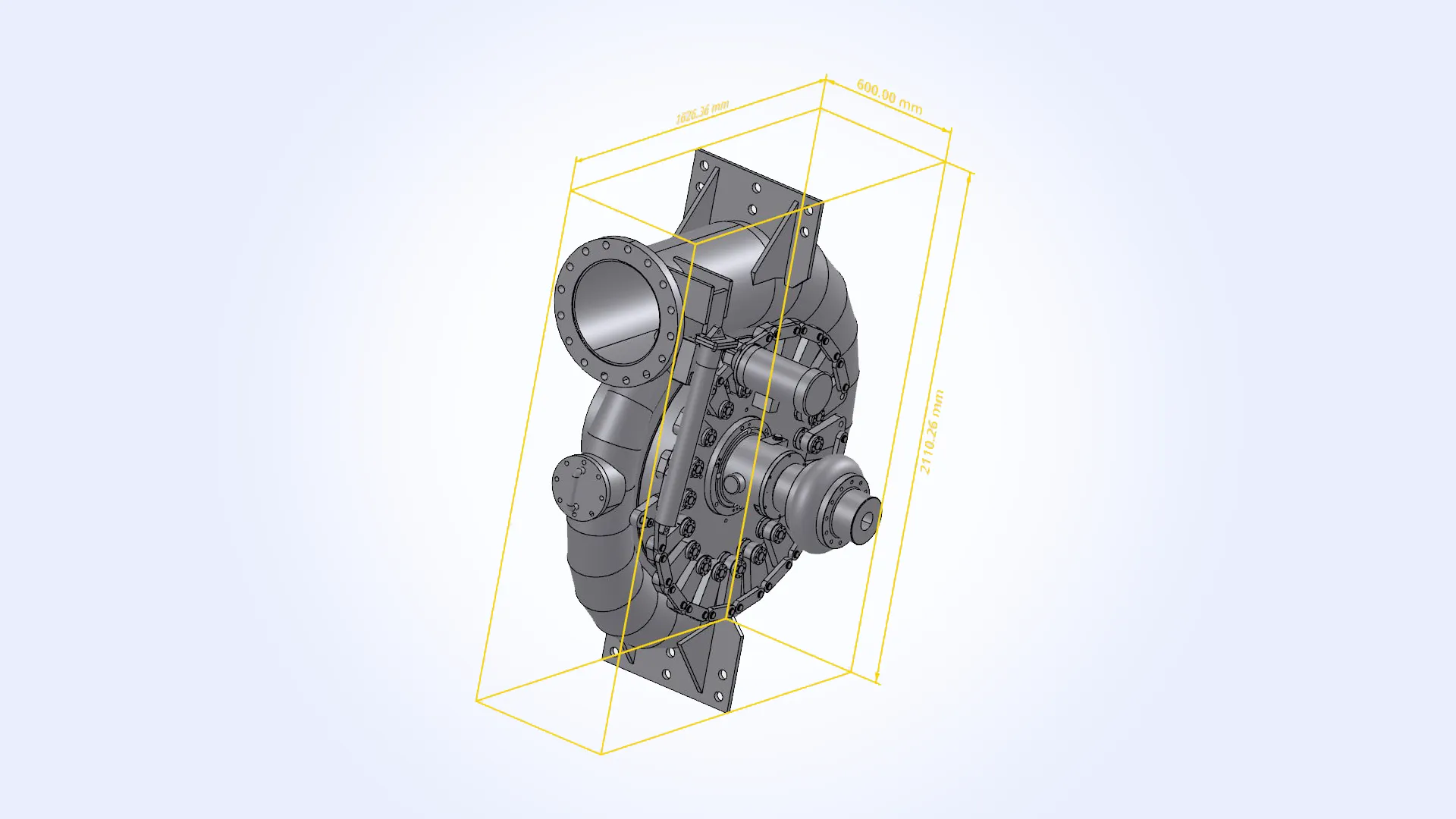
Visual measurements have been extended with:
- Polyline length measurements.
- Three-point radial measurements.
- Improved visualization and highlighting.
- Enhanced measurement placement, editing, and interaction workflows.
This release also includes several minor improvements across the Manufacturing Toolkit. For the complete list of updates in MTK 2026.4, please refer to the changelog.